A Personal Pause Plan for a Night Out
A personal pause plan for a casino night helps you spot when an activity no longer suits you and choose a clear alternative, from a break to heading home.

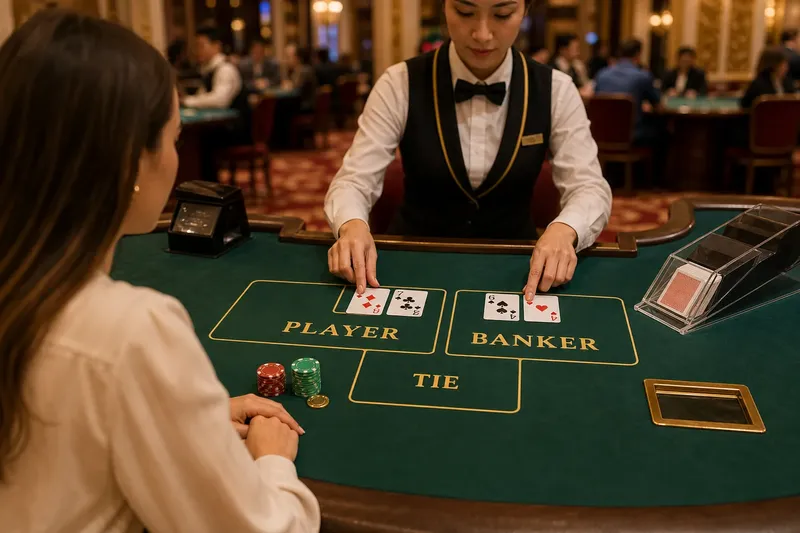
You are at a casino table when a friend asks if you want to move on, and you realise you have stopped enjoying the game. A personal pause plan for a casino night helps you decide whether to take a break, switch activities or leave.
Choose cues that call for a pause
A cue is a sign that your comfort, interest or attention has changed. It might be feeling tense, losing track of a conversation or staying only because your group has not moved. Choose a few signs you can recognise without monitoring every mood.
Keep the plan focused on your experience, not on supposed patterns in a game or signals about what to play next. A pause helps you decide whether you want to continue; it does not predict what a game will do.
Match each cue to an action
Pair an observable cue with a first action and a backup choice. That way, “take care” becomes a decision you can make in a busy room.
- Observation: You still feel interested and comfortable. If: both remain true, continue if you choose; then: if either changes, step away or leave. Alternative: take a quiet break before deciding.
- Observation: You feel tense or rushed. If: a quieter seat is available, move there; then: decide whether to return, switch activities or leave. Alternative: if the area is busy or unhelpful, choose another space or go home.
- Observation: You are staying only because your group has not moved. If: you want to stop or switch, tell them; then: arrange to meet later. Alternative: if plans do not suit you, travel separately.
- Observation: After a quiet break, you still feel unsure. If: you want company, ask a trusted companion to sit with you; then: remain away from the game while you decide. Alternative: choose a performance or leave instead.
- Observation: Play no longer feels enjoyable. If: a meal or show appeals, choose that; then: make the switch because you want to, not simply because it is nearby. Alternative: if nothing appeals, end the outing.
- Observation: Tiredness makes your planned journey unsuitable. If: you can arrange another appropriate way home, do so; then: use that plan. Alternative: if you cannot make a safe arrangement, ask venue staff or someone you trust for help.
It is not worth logging every feeling or building a scoring system. A few clear cues and realistic options are easier to recall when the room is busy.
Work through one evening
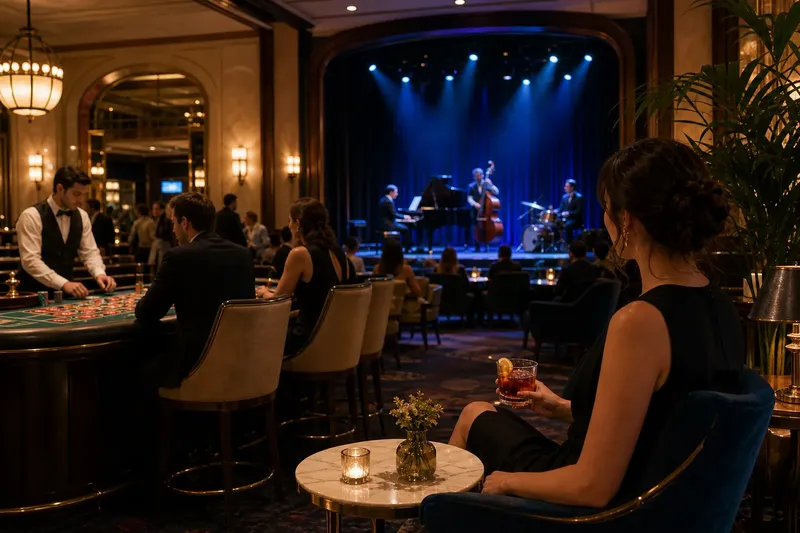
Say you plan to meet a friend at a casino, spend time at a table game and then watch a performance. Your invented plan has two cues: losing track of the conversation and staying only because your friend has not moved. For either cue, your first action is to leave the table and sit in the lobby. Your next options are to return, join the performance or go home.
During this imagined outing, you notice both cues and take the named action: you leave the table and sit in the lobby. Your friend says they want to keep playing, so you say you are going to the performance and arrange to meet afterwards. You join the show rather than return to the table. The observable result is a clear change from the activity you no longer want to the one you chose; if the show had not appealed, going home would have remained an option.
Use natural moments to check in
You do not need to monitor yourself constantly. A game ending, moving to another area or a companion suggesting that you stay longer can be a useful moment to ask:
- Am I choosing this activity, or following the group?
- Do I feel comfortable and interested enough to continue?
- Would I rather pause, choose something else or leave?
If you cannot decide, take the smaller action of stepping away from the game and considering your options somewhere quieter. You are not obliged to return after a break.
Say what you have decided
Short, direct language is enough: “I’m taking a break,” “I’m going to the performance” or “I’m heading home.” If a companion wants to stay, arrange a meeting point or separate journeys. You do not have to persuade anyone that your choice is reasonable.
Switching activities works best when you genuinely want the alternative. Moving to another game simply because it is nearby may not address why you stepped away. A meal, a performance, a conversation or leaving may suit you better.
If you feel too tired or uncomfortable to use your planned route home, consider another appropriate way back. Ask venue staff or someone you trust for help if you cannot make a safe arrangement. For serious health or safety concerns, seek qualified professional or emergency support.
What do people ask about pause cues?
What makes a useful pause cue?
Choose a personal sign that is easy to recognise, such as feeling tense, losing interest or staying only because others are present. It should prompt a choice, not become a test you must pass.
Does taking a break mean I have to leave?
No. You can return, switch activities or leave. If you are not ready to decide, remain away from the game while you consider what you want.
What can I say if friends want to keep playing?
State your choice plainly: “I’m going to sit this one out” or “I’m heading home.” You can arrange to meet later or travel separately without taking on the task of changing their minds.
How should I decide whether to return?
Ask whether returning is what you want now, rather than something prompted by habit or company. Returning is one option; choosing another activity or leaving are also valid.
Keep the plan easy to use
After the outing, consider whether you recognised a cue and whether your first action gave you a useful choice. If the cue was vague, make it more specific; if the plan felt cumbersome, keep just one clear cue and one immediate action. A brief note on your phone can help you recall it while leaving the rest of the evening open to your preferences.