An Evening Built Around Play or Around the Show?
Plan an evening around play or the show by choosing a venue feature to explore, checking access and timing, and making the most of the spaces between events.
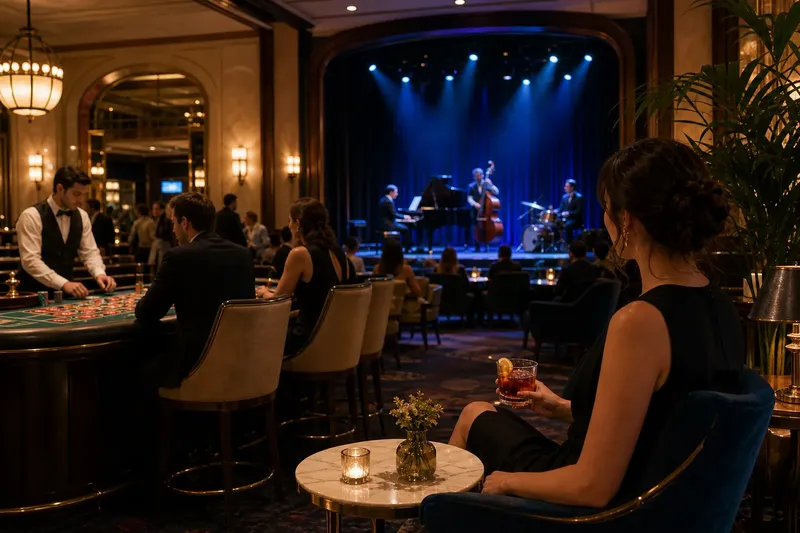
You arrive at a casino entertainment venue as a band finishes its sound check. A table game is open, the bar is lively and the performance space is still quiet. Planning an evening around play or the show means deciding how to experience the venue’s layout and atmosphere, not simply filling the hours with activities.
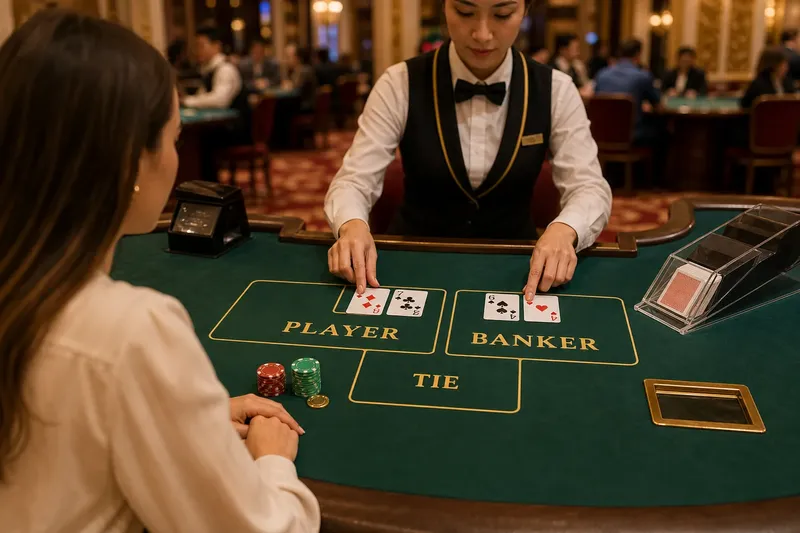
A play-focused visit gives a particular game or pastime most of your attention. A show-focused visit centres on a performance or the venue’s broader entertainment. The distinction is useful because it changes where you spend time, what you notice and how you move between spaces.
Choose between the game floor and the performance space
Start by naming the feature you most want to experience. It might be learning the rhythm of a table game, watching live music, or seeing how the venue changes from a quiet arrival to a busier evening. This is less about setting a rigid agenda than choosing what you want to notice.
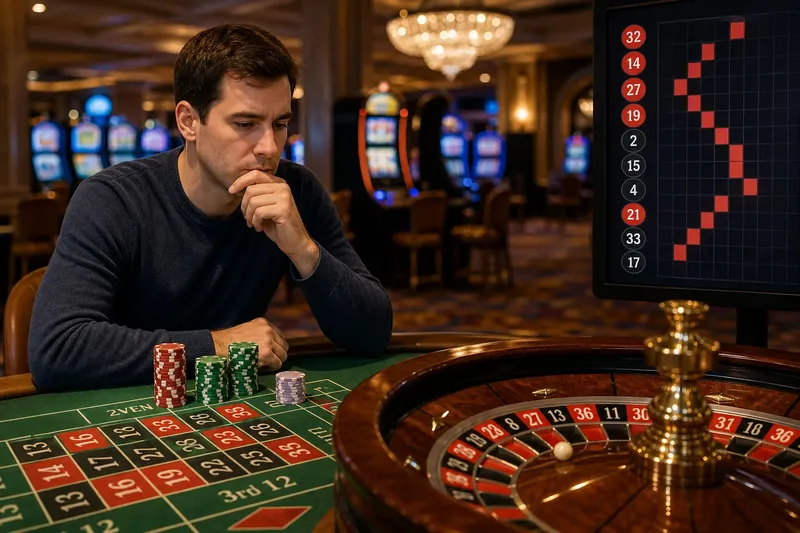
For a play-focused evening, consider the rules, pace and social feel of the activity before joining. If you are unfamiliar with a game, ask whether staff can explain the basic play, or look for an introductory demonstration. You can also choose an arcade or another non-wagering activity if you prefer play without a casino game.
For a show-focused evening, check the performance space and the surrounding public areas. A stage, lounge or bar may offer different views and levels of noise. The venue’s character can come from these contrasts as much as from the headline entertainment.
It is not worth trying to sample every room or activity. A few deliberate stops make it easier to notice the details that suit you, while constant movement can make the venue feel like a list of tasks.
Read the venue as a set of connected spaces
Look at the venue’s map and event listing before setting off. Check performance times, booking conditions, age rules, access information and the location of the spaces you want to visit. These details help you distinguish what is available from what merely looks appealing in a photograph.
Think about the route as well as the attractions. A performance may have a fixed start, while a game area may be available throughout the visit. If you want to see both, note the distance between them and choose a route that avoids arriving at the performance space in a rush.
Different spaces also have different social expectations. A show usually asks for attention during the performance; a game may invite conversation; a lounge can be a quieter place to pause. Knowing this helps a group share an evening without expecting every person to enjoy the same activity in the same way.
Make a short itinerary around the venue’s character
Rather than scheduling every moment, choose a starting point, a main attraction and a nearby alternative. That structure leaves room to linger over an architectural detail, listen to a set from a different spot or take a break without losing the shape of the evening.
Say you and a friend have an invented plan to visit a fictional venue called Lantern House. The listing shows a jazz performance in the central hall, a roulette table in a separate room and a quiet lounge beside the entrance. You decide the music is the main event, check that your booking covers both of you, and mark the lounge as a place to meet if one of you wants a break. You arrive, find the hall first, and listen to the opening set; afterwards, your friend wants to see the table while you prefer the lounge. You agree to meet there after the visit. The result is a shared performance followed by different choices, without either person having to treat the game as a compulsory stop.
For a play-focused visit, let the activity’s own pace shape the route. Find out where to ask about the rules, identify a nearby place to sit or get a drink, and decide whether a performance is a genuine interest or simply an extra possibility. This keeps the game from becoming one item in a hurried circuit.
Which details should shape your venue plan?
How do I decide between a game and a show?
Choose the activity or performance you would most like to give your attention. If the appeal is the atmosphere rather than one event, plan to explore a small number of connected spaces instead of trying to cover the whole venue.
What should I check before visiting a casino venue?
Check the venue’s own information for opening times, event schedules, booking terms, access details and age restrictions. Ask staff about unclear participation rules before making plans around a particular activity.
Can people in a group choose different activities?
Yes, provided everyone understands where and when to meet again. Agree on a shared event or meeting place, then let individuals spend part of the visit in different spaces if they prefer.
What if the main activity is unavailable?
Use the venue map and listing to choose a nearby alternative that suits the same kind of evening. If no available option feels comfortable, it is reasonable to leave rather than force a substitute.
Keep play and spending within personal boundaries
If the game involves wagering, decide beforehand what you are comfortable spending and treat that amount as a firm limit, not a goal. Do not borrow money or count on future winnings. If you find it difficult to stick to your own limits, step away and seek support from an appropriate service or qualified professional.
You can also set boundaries around noise, time and social energy. Choose a quieter space when the main room feels overwhelming, take a break from a crowded area, or leave when you have had enough. Venue rules and staff instructions apply throughout the visit, including in areas with age or access restrictions.
For an evening built around play or the show, the most useful decision is often which part of the venue deserves your attention first. Check the practical details, choose a route that fits that interest, and leave one nearby space as an alternative. That way, the venue’s layout can guide the evening without turning it into a race to see everything.